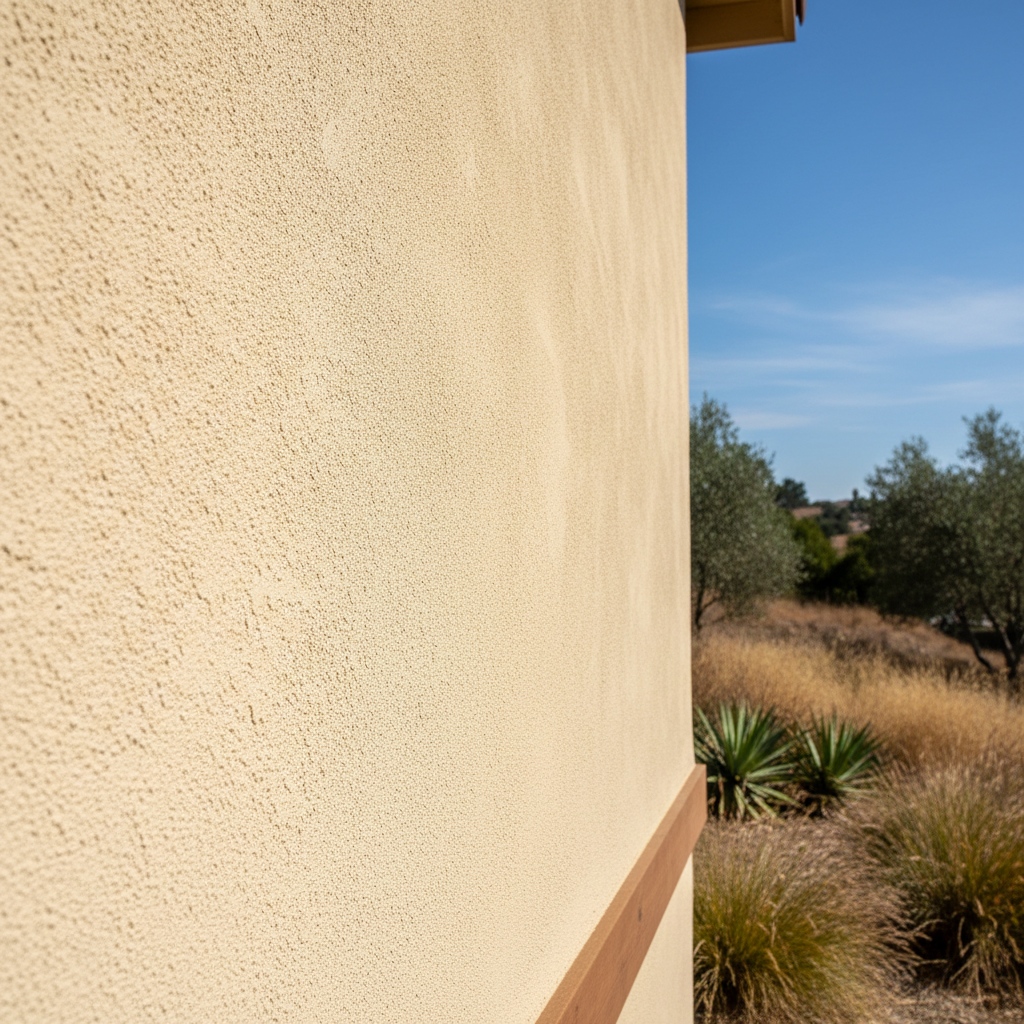
So, you're thinking about new stucco for your house. Maybe you're building an addition, or you're just tired of the old siding and want that classic, durable look. It's a smart choice, especially here in Los Gatos where stucco holds up great to our dry summers and occasional wet winters. But before you grab a trowel, let's talk about what you're getting into.
Before You Start: Planning & Permits
First off, this isn't a weekend DIY project for most folks. I'm not saying it's impossible to do some parts yourself, but a full stucco installation is complex. You're dealing with structural integrity, weatherproofing, and a finish that needs to look good for decades. The biggest 'before' step is planning. What kind of stucco are you going for? Traditional three-coat? Synthetic (EIFS)? Each has its own requirements.
Then there's the permit. You absolutely, positively need a permit from the Town of Los Gatos for any significant exterior work like this. Don't skip it. The town building department isn't just there to make your life hard; they ensure your home is safe and up to code. If you try to sell your house later without proper permits, you'll have a nightmare on your hands. A good contractor, like us at Absolute Stucco, will handle all the permit paperwork for you. That's a huge stress reliever right there.
Think about the existing structure too. Is it wood frame? Masonry? You'll need to make sure the substrate is sound and properly prepared. Any rot or damage needs fixing beforehand. This is where a professional eye is critical. We've seen too many homeowners try to cover up problems, only for them to resurface worse later.
During the Installation: The Layers Matter
This is where the rubber meets the road, or rather, where the stucco meets the wall. For traditional stucco, you're looking at multiple layers, and each one is crucial.
- Weather-Resistive Barrier (WRB): This is your first line of defense against moisture. Think of it as a rainscreen. It's usually two layers of building paper or a synthetic wrap. Getting this right is paramount, especially around windows and doors. Flashing details here are non-negotiable. If water gets behind your stucco, you're looking at rot, mold, and major headaches down the line.
- Lath: This is the metal mesh that the stucco adheres to. It's mechanically fastened to the wall. The type of lath and how it's installed affects the strength and crack resistance of your stucco.
- Scratch Coat: This is the first layer of cementitious material applied over the lath. It's literally scratched to provide a mechanical key for the next coat.
- Brown Coat (or Leveling Coat): This goes over the scratch coat, building up the thickness and creating a smooth, level surface for the finish coat. This is where the skill really comes in, ensuring your walls are plumb and straight.
- Finish Coat: This is what you see. It's the decorative layer, and it can be smooth, textured, colored, or painted. This is where your aesthetic choices come to life.
Can you do some of this yourself? Maybe the WRB if you're meticulous and understand proper lapping and flashing. But applying the cement coats? That's a whole different ballgame. It requires specific tools, experience with mixing ratios, and a feel for the material that takes years to develop. Getting the right consistency, applying it evenly, and achieving a consistent finish across an entire wall is incredibly difficult for a novice. You don't want your house looking like a patchwork quilt.
We often work on homes in the Blossom Hill area, and the soil conditions there can sometimes lead to minor foundation shifts over time. A properly installed stucco system, with good lath and expansion joints, is designed to handle these minor movements without cracking excessively. This isn't something you want to guess at.
After It's Done: Curing & Maintenance
Once the stucco is on, it's not quite 'done.' The cement needs to cure properly. This means keeping it moist for several days, sometimes even misting it. This process strengthens the stucco and helps prevent cracking. If it dries out too fast, it's weaker and more prone to issues.
Maintenance for stucco is generally pretty low, which is one of its big appeals. Keep an eye out for any cracks. Small hairline cracks are normal; it's a cementitious product, it moves a bit. But larger, spiderweb cracks or cracks around openings could indicate a bigger issue, like structural movement or water intrusion. If you see something concerning, don't ignore it. Get it checked out.
Keep your gutters clean and make sure downspouts direct water away from your foundation. Stucco doesn't like constant saturation. A good pressure wash every few years can keep it looking fresh, but be careful not to use too high a pressure or you can damage the finish.
So, while you might be able to handle painting or minor repairs, a full stucco installation is best left to the pros. It's an investment in your home's value, durability, and curb appeal. You want it done right the first time. Give us a call at Absolute Stucco if you're looking for experienced, local professionals who know Los Gatos homes inside and out.