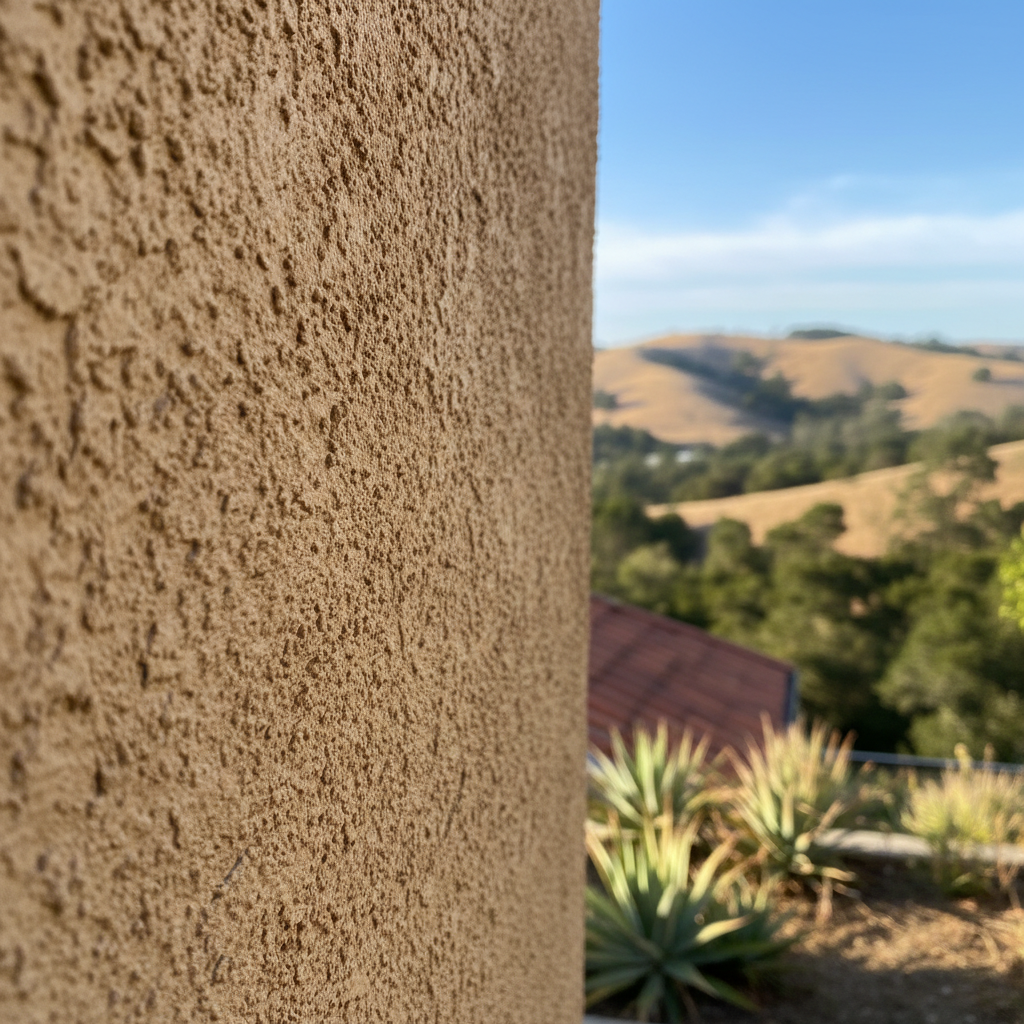
Understanding Your Stucco: The Basics
So, you've got stucco on your Los Gatos home. It's a fantastic, durable finish, really, when it's done right. It offers great insulation and that classic look that just fits so many of our local architectural styles, from the older homes up in the hills to those newer builds down near Blossom Hill. But like anything else, it needs a little attention sometimes, doesn't it? The big question I get asked a lot is, "What can I actually do myself, and when do I need to call someone like me?" Let's break it down.
First off, understand what stucco is. It's not just a coat of paint, you know. It's typically a three-coat system: a scratch coat, a brown coat, and then the finish coat. Each layer plays a role in its durability and how well it stands up to the weather. Knowing this helps you understand why some repairs are simple, and why others are definitely not.
Before You Start: Inspection and Prevention
Before you even think about repairs, you really should be doing regular inspections. I tell my clients to walk around their house at least twice a year. Maybe after the heavy winter rains we get, and then again before summer really kicks in. Look for cracks, discoloration, or any spots where the stucco might be pulling away from the wall. Pay extra attention around windows, doors, and rooflines. These are common spots for water to get in, especially with our clay soils that can shift and stress foundations and walls.
Prevention, I always say, is cheaper than repair. Make sure your gutters are clean and diverting water away from your foundation. Trim back any bushes or trees that are constantly rubbing against the stucco; that friction can wear down the finish over time. If you see sprinklers hitting the stucco regularly, adjust them. Constant moisture is stucco's enemy, plain and simple.
DIY Stucco Repairs: What You Can Tackle
Alright, let's talk about what you can realistically do yourself without risking a bigger problem. Small, hairline cracks are often just cosmetic. You can usually fix these with a good quality elastomeric caulk specifically designed for stucco. You'll want to find one that's paintable and matches your stucco's texture as closely as possible. Clean the crack thoroughly, apply the caulk, and then use a sponge or brush to mimic the surrounding texture while it's still wet. It won't be perfect, but it'll stop water from getting in, which is the main goal.
Another common DIY task is cleaning. Stucco can get dirty, especially on north-facing walls that don't get much sun and stay damp, encouraging mildew. A gentle power wash (and I mean gentle — keep the nozzle moving and don't get too close) with a mild detergent or a bleach solution (1 part bleach to 3 parts water) can work wonders. Always test a small, inconspicuous area first. Rinse thoroughly afterward to make sure no cleaning agents are left behind.
Patching very small, shallow chips or holes can also be a DIY job. You can buy pre-mixed stucco patch at most hardware stores. Again, clean the area, dampen it slightly, apply the patch, and try to match the texture. It takes a bit of an artistic eye, but for minor stuff, you can usually get it looking decent enough to blend in.
When to Call Absolute Stucco (or Another Pro)
Now, for the stuff you really shouldn't mess with. If you see cracks that are wider than a credit card, or if they're running in a stair-step pattern, especially near the foundation, that's a red flag. Those could point to structural issues or significant foundation movement, and a simple caulk job isn't going to cut it. You need a professional to figure out the root cause.
Anytime you see large sections of stucco that are loose, bulging, or crumbling, it's time to call in the pros. This usually means water has gotten behind the stucco, causing damage to the lath or even the sheathing underneath. Trying to patch this yourself is like putting a band-aid on a broken leg — it won't solve the real problem and could lead to more extensive and costly repairs down the road. We've seen plenty of homes in the Saratoga Avenue area with these kinds of issues due to older installation methods or neglected flashing details, for example.
Also, if you're dealing with extensive discoloration or widespread mildew that won't come off with a gentle cleaning, you might be looking at a bigger issue or simply a need for a full re-dash or repaint. Matching existing stucco color and texture across a large area is incredibly difficult, even for experienced pros, let alone a weekend warrior. It's an art and a science, honestly.
If you're unsure, honestly, just give us a call. A quick inspection from someone who does this every day can save you a lot of headache and money. We're happy to tell you if it's something you can handle or if it needs our expertise. It's better to get a professional opinion than to accidentally turn a small problem into a big one.
After the Project: Ongoing Care
Whether you did a small repair or hired us for a bigger job, ongoing care is key. Keep up with those bi-annual inspections. Address any new issues quickly. Keep your landscaping trimmed back. And remember, stucco is tough, but it's not invincible. A little proactive care goes a long way in keeping your Los Gatos home looking great and protected for years to come.