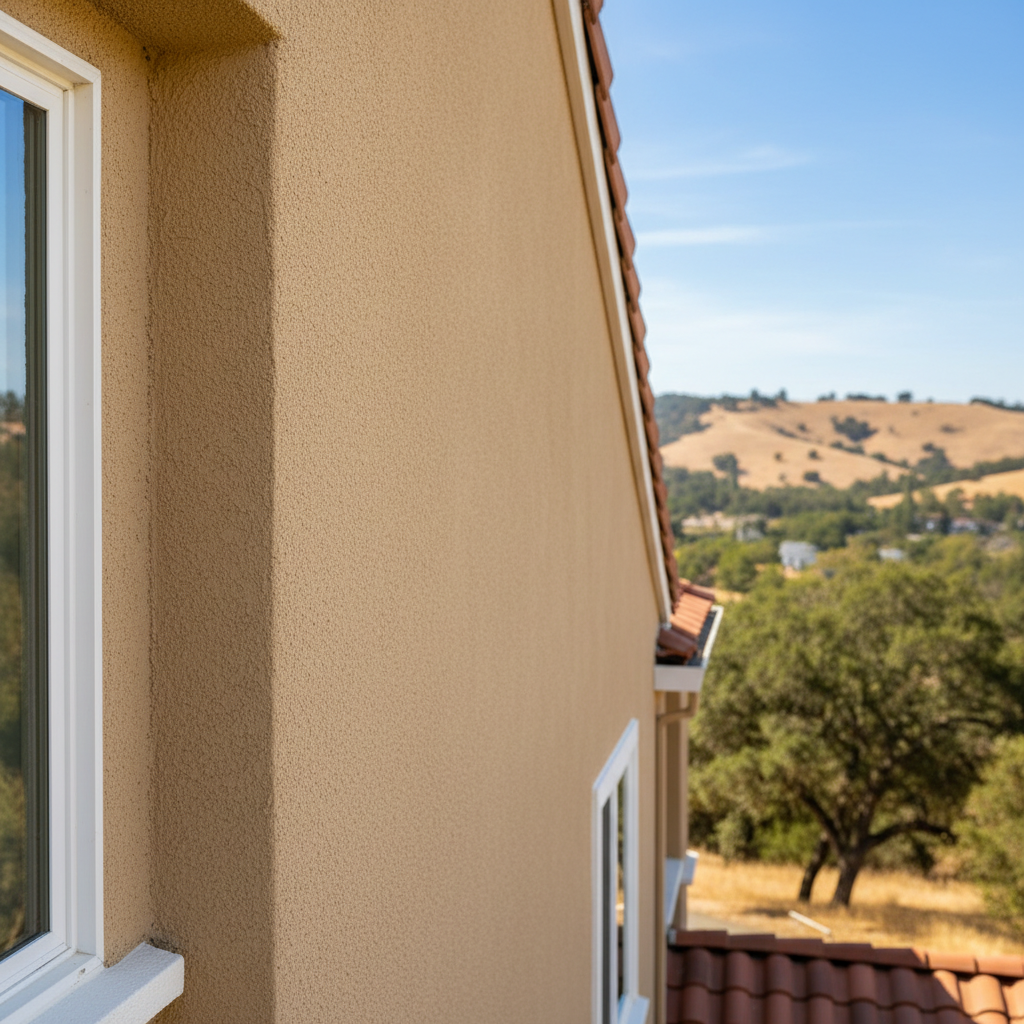
What's the deal with stucco and water intrusion? Is it really that bad?
Look, stucco sometimes gets a bad rap, and often for good reason. The material itself isn't the problem, though; it's all about how it's put up and kept up. Stucco is built to shed water, not soak it in. When water sneaks behind it and can't drain or dry out, that's when you're in for trouble. We're talking rot, mold, and even structural damage.
A lot of these issues pop up because of poor flashing around windows and doors, not enough kick-out flashing where the roof meets the wall, or just plain sloppy work. If water gets behind the stucco – especially with our heavy winter rains here in Los Gatos – and there's no proper drainage plane or weep screed, that moisture just sits there. It's like leaving a wet blanket against your wall. Over time, it's definitely going to cause problems. So, it's not that stucco is inherently flawed, but rather that its application can be.
How can I tell if my stucco has water damage without tearing it all apart?
You don't always need to rip everything open to get a good idea. Start by looking for visual clues. Dark streaks or staining below windows, doors, or rooflines are huge red flags. If you spot efflorescence – that white, powdery mineral deposit – that often signals water moving through the wall, evaporating, and leaving minerals behind.
Cracks, especially horizontal ones or those that follow the outline of a window or door, can also be entry points. Sometimes, you'll see bubbling or delamination, where the stucco is actually separating from the wall. You can also try a 'tap test' – just tap lightly on the stucco with a rubber mallet or even your knuckles. If it sounds hollow or soft in certain spots, that might mean moisture is hiding behind it. For a more definitive answer, we use moisture meters. These tools can pick up elevated moisture levels behind the stucco without causing any damage. If we find high readings, then we might suggest a more invasive inspection to pinpoint the source and how bad the damage is.
My stucco has hairline cracks everywhere. Is my house falling apart?
Probably not, but it's worth keeping an eye on. Hairline cracks are pretty common with stucco. It's a rigid material, and houses settle, materials expand and contract with temperature changes – especially with our hot Los Gatos summers and cooler nights. These tiny cracks, often called 'checking' or 'craze cracking,' usually aren't structural issues. They're mostly cosmetic.
However, while they might not be letting in a flood, they can allow small amounts of moisture to penetrate the surface. The bigger concern is when these cracks start to widen, get deeper, or form distinct patterns like stair-step cracks in masonry or cracks that run diagonally from window corners. Those can point to more significant movement or structural issues. For hairline cracks, a good quality elastomeric paint or a fog coat can often seal them up and prevent minor water intrusion. But if you're seeing larger, more concerning cracks, please get a professional to take a look. Don't just paint over them and hope for the best, okay?
What's the best way to clean stucco without damaging it?
This is a common question, especially with all the pollen and dust we get around here. First off, avoid high-pressure washing. Seriously, just don't do it. A powerful pressure washer can blast water right through tiny cracks, damage the surface, and even force water behind the stucco, creating the exact problems you're trying to avoid. It can also strip off paint or the top layer of stucco, leaving it vulnerable.
For general cleaning, a soft brush, a garden hose with a gentle spray, and a mild detergent (like dish soap or a specialized stucco cleaner) are usually all you need. Mix the detergent with water, apply it with the brush, let it sit for a few minutes to break down the grime, and then rinse thoroughly with the hose. For tougher stains like mildew, a diluted bleach solution (about 1 part bleach to 3 parts water) can work, but always test it in an inconspicuous area first to make sure it doesn't discolor your stucco. Always rinse really well afterward to remove all traces of the cleaning solution. We've seen homes in the Blossom Hill area where people got a little too aggressive with pressure washing, and it created more problems than it solved.
My stucco looks faded and dull. Can it be repainted, or do I need new stucco?
Most of the time, if your stucco is just looking faded or a bit tired, a good quality paint job is all you need. You don't necessarily need new stucco. Repainting is a common and cost-effective way to refresh your home's exterior and protect the existing stucco. When you're picking paint, make sure it's an elastomeric or breathable acrylic paint specifically designed for masonry or stucco. These paints are flexible, which helps bridge those hairline cracks we talked about, and they let the wall breathe, preventing moisture from getting trapped.
Before painting, though, you need to make sure the stucco is clean, dry, and any existing cracks or damage are properly repaired. Painting over damaged or dirty stucco is just asking for trouble; the paint won't stick right, and it'll look bad quickly. If your stucco is severely damaged, crumbling, or has widespread delamination, then painting isn't going to fix those underlying issues. In those cases, you'd be looking at repairs or even a partial or full re-dash. But for a simple refresh, painting is usually the way to go. Here at Absolute Stucco, we often help homeowners decide if painting is enough or if more extensive work is needed.
What's the difference between traditional stucco and synthetic stucco (EIFS)?
This is a big one, and it's important to understand. Traditional stucco, what we usually call 'hard coat' or 'three-coat' stucco, is a cement-based product. It's applied in layers – a scratch coat, a brown coat, and then a finish coat – over a wire lath and building paper. It's hard, durable, and pretty rigid. It's designed to shed water on its surface, and any water that gets behind it is supposed to drain out through a weep screed at the bottom.
EIFS, or Exterior Insulation and Finish Systems, is a synthetic product. It typically consists of a layer of foam insulation board, a base coat with a fiberglass mesh embedded in it, and then a finish coat. EIFS is lighter, more flexible, and offers better insulation properties than traditional stucco. Early versions of EIFS, particularly 'barrier EIFS,' were notorious for trapping water behind them if there was a breach, leading to significant damage. Modern EIFS systems, often called 'drainable EIFS' or 'water-managed EIFS,' incorporate drainage channels to allow any trapped water to escape. While EIFS has its benefits, especially for insulation, it requires very precise installation and detailing to prevent water intrusion. Traditional stucco, while not as insulating, is generally more forgiving if there are minor installation imperfections when it comes to moisture management. Both can be great, but they're very different animals.
How long should stucco last in Los Gatos?
When properly installed and maintained, traditional stucco can easily last 50 years or more. I've worked on homes in older parts of Los Gatos, up near the hills, where the stucco is decades old and still performing well. The key words there are 'properly installed and maintained.' If it's done right from the start – good flashing, proper drainage, quality materials – it's incredibly durable.
Maintenance plays a huge role too. Regularly cleaning it, addressing hairline cracks before they become bigger problems, and making sure your gutters are clean and directing water away from the walls will significantly extend its lifespan. If you neglect it, or if it was installed poorly to begin with, you might see issues much sooner, sometimes within 10-20 years. But with a little care, stucco is one of the most long-lasting exterior finishes you can choose for your home.