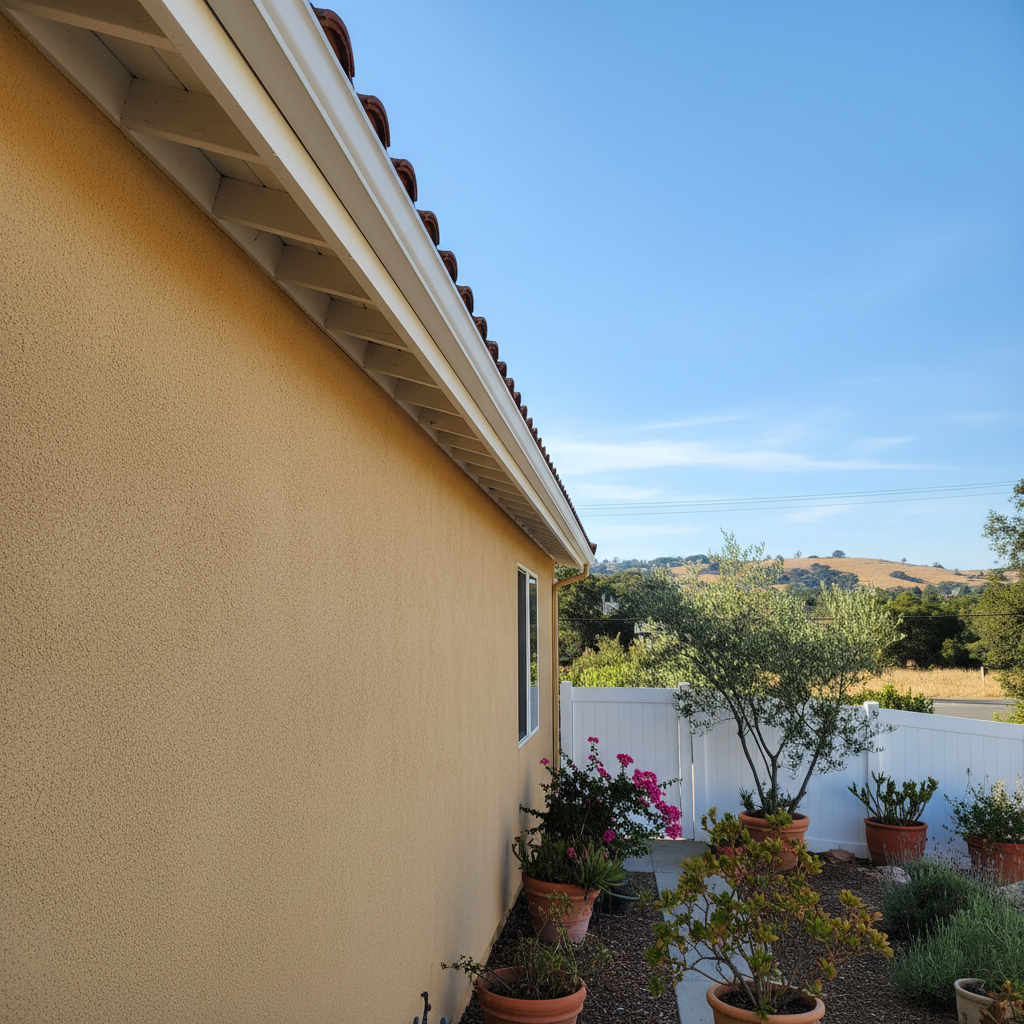
Your Stucco: Built Tough, Needs a Little Love
You've got stucco on your Los Gatos home, and that's a smart choice, isn't it? It's durable, fire-resistant, and looks fantastic. But "durable" doesn't mean "maintenance-free." Just like anything else, a little proactive care goes a long way. It really extends its life and prevents bigger headaches down the road. I've seen countless homes around Blossom Hill and the hillsides where a simple fix could've saved thousands if someone had caught it early.
So, let's talk about what you can do to keep your stucco strong and looking good for decades.
Extending Your Stucco's Lifespan
The biggest thing you can do to extend your stucco's life isn't some secret trick. It's really about managing water. Our California climate, with those long dry spells followed by intense winter rains, can be tough on building materials. Stucco is designed to shed water, but if water gets behind it, you've got problems.
- Keep Gutters Clean: This sounds basic, but it's crucial. Clogged gutters overflow, sending water right down your stucco walls instead of away from your foundation. That constant stream can erode the finish, and worse, find its way into any tiny crack.
- Proper Drainage Matters: Make sure your landscaping slopes away from your house. Puddles against your foundation are a bad sign for stucco, and for everything else, frankly.
- Trim Back Vegetation: Bushes, vines, and trees growing directly against your stucco trap moisture. They also rub against the surface, causing abrasion. Give your walls some breathing room.
- Regular Inspections (Your Eyes Are Key): Take a walk around your house a couple of times a year. Look closely. What do you see?
What Regular Maintenance Looks Like
Beyond those big-picture things, there are some simple tasks you should be doing:
- Gentle Cleaning: Stucco can get dirty, especially on the north-facing sides that don't get as much sun. Use a soft brush and a mild detergent solution (like dish soap and water) to gently scrub off dirt, mildew, or algae. Rinse thoroughly with a garden hose. Avoid high-pressure washers; they can damage the finish and force water into places it shouldn't go.
- Caulking Check: Pay attention to where your stucco meets other materials – around windows, doors, and trim. The caulk here is your first line of defense against water intrusion. If it's cracked, shrunken, or missing, you need to repair or replace it.
- Paint if it's Painted: If your stucco has paint on it, that paint acts as an additional protective layer. When the paint starts to peel, flake, or fade significantly, it's time for a fresh coat. Just make sure you're using an elastomeric or high-quality exterior paint designed for masonry.
Warning Signs of Trouble
Your stucco will usually tell you when something's wrong, if you know what to look for:
- Cracks: Not all cracks are created equal. Hairline cracks are often just surface-level and part of normal curing or minor settlement. But wider cracks (say, thicker than a credit card), cracks that run horizontally or vertically for long distances, or cracks that form a spiderweb pattern (map cracking) can indicate bigger issues.
- Stains: Dark streaks, especially below windows or rooflines, often mean water is getting in somewhere. Rust-colored stains could be from metal fasteners or rebar rusting behind the stucco. Green or black patches are usually mildew or algae, which means persistent moisture.
- Bulges or Soft Spots: If you see areas where the stucco looks like it's bubbling, or if you gently press on it and it feels soft or spongy, that's a major red flag. This almost always means water has gotten behind the stucco and is damaging the lath or the substrate.
- Efflorescence: This is that white, powdery substance you sometimes see on masonry. It's mineral salts left behind when water evaporates from within the wall. It's a clear sign that water is present where it shouldn't be.
When to Call a Professional
Look, I'm a big believer in DIY when it makes sense. But some things are best left to the pros. If you see any of those major warning signs – significant cracks, bulges, persistent staining, or soft spots – don't wait. These aren't just cosmetic issues; they can lead to structural damage, mold growth, and expensive repairs if ignored. Trying to patch over a water intrusion problem yourself often just hides it and makes it worse.
You should also call us if you're not sure what you're looking at, or if you just want to feel secure about your home. Getting an expert eye on things, especially after a particularly wet winter, can save you a lot of grief. At Absolute Stucco, we're here to help you understand what's going on with your home's exterior and give you honest advice. We've been working on stucco in Los Gatos for years, and we know what our local conditions do to these homes. Don't let a small problem become a huge one; give us a call.